
Content Summary
Visual signals: These signals are visible from a distance and can be seen during the day or night. They include flags, flares, smoke signals, and mirrors.
Audio signals: These signals are audible from a distance and can be heard during the day or night. They include horns, whistles, and air horns.
Radio signals: These signals are transmitted over radio frequencies and can be received by other vessels or rescue crews. They include the international distress signal "Mayday" and the digital selective calling (DSC) system.
Distress signals can help you in a number of ways. They can:
Alert other vessels or rescue crews to your location.
Help to identify your vessel as being in distress.
Provide a visual or audible cue to help rescue crews locate you.
If you are in distress while boating, it is important to use all of the distress signals that you have available to you. This will help to ensure that you are quickly and safely rescued.
Here are some additional tips for using mariner distress signals:
Make sure that you know how to use all of the distress signals that you have on board.
Practice using the distress signals in a safe environment before you need to use them in an emergency.
Keep your distress signals in a visible and accessible location.
Replace your distress signals regularly, especially if they have been exposed to the elements.
By following these tips, you can help to ensure that you are prepared to use mariner distress signals in the event of an emergency.
Access this content
Choose an option below
Your content has been opened.
Register to access this content
Verify your email to access this content
Code sent. Enter it in the modal
Your content has been opened.
Why do I need to verify I’m human?
Please verify you are a human before opening this content.
Your content has been opened.
The content will open in a new window. You may need to allow popups for this site.
Check your inbox
Distress Signals has been emailed to . Entered the wrong email?
Don't see the content in your inbox?
Make sure to check your spam and other messages folders.
Can't get to your email right now?
By accessing content on the Marine Log Buyer's Guide you agree to our Terms of Service and Privacy Policy; and, you acknowledge that your information may be shared with the content publisher.
You might also be interested in
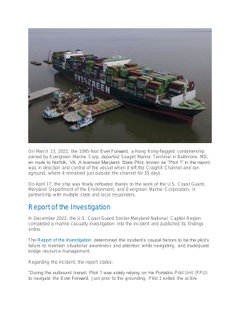
Ever Forward Grounding
Pilot’s Liability Insurance in the Context of the Grounding of the Ever Forward in the Chesapeake Bay
Read More
FAQ's with 360 Coverage Pros Marine Liability Insurance
Here are some frequently asked questions about marine license insurance. What is marine license insurance, and do I need it?
Read More